There is a brief window, arriving now and closing within the next six weeks, when British broad beans and fresh peas are in a condition that supermarket supply chains and year-round availability have made it easy to forget is possible. They taste, when freshly podded and cooked with any care at all, like something categorically different from the frozen version that the rest of the year provides. The restaurants paying attention to that window are producing some of the most quietly satisfying cooking in Britain right now.
It does not make the front pages. Broad beans are not the kind of ingredient that generates column inches. But they have become a reliable indicator of which kitchens are genuinely engaged with British seasonal produce versus which ones are operating from a standing menu with seasonal additions bolted on.
What the Season Looks Like This Year
The 2026 broad bean season has come in slightly later than the past two years following a cool April across most of the UK, but quality is high. Suffolk and Kent growers have reported strong crops, and several London restaurants that operate direct-from-farm sourcing arrangements have been building menus around the first harvest since early May.
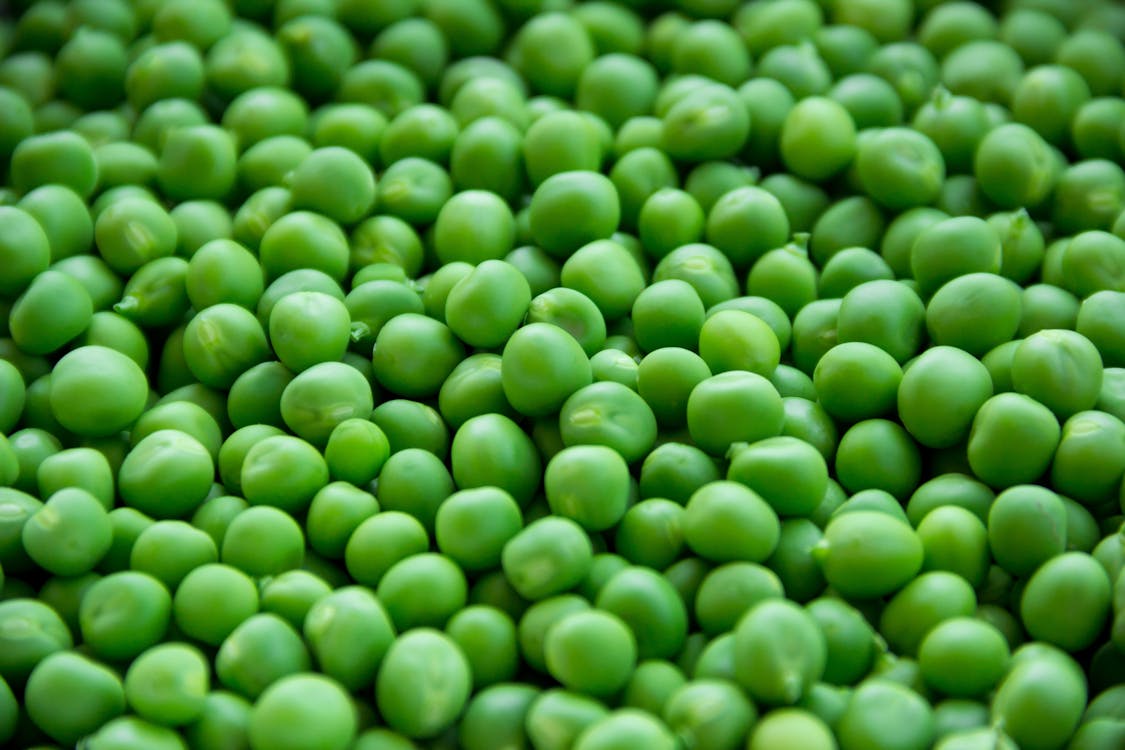
Peas — both the garden pea and the mange-tout varieties — are running in parallel, with the sweet, bright flavour that only arrives when the sugar has not yet converted to starch. The window for that flavour is measured in days, not weeks, which is why frozen peas exist and why fresh peas at their genuine best are still a restaurant-only proposition for most diners.
How Chefs Are Using Them
The most interesting preparations this season tend toward restraint rather than elaboration. A recurring approach across several London menus is the broad bean purée — double-podded, blanched briefly, blended with olive oil and perhaps a little sheep's milk cheese or crème fraîche — served as a base for grilled lamb, as a spread for sourdough at the start of a meal, or as the dominant element in a pasta where the pasta's role is essentially textural. Done well, it is one of the most complete flavour experiences the season offers.
Peas are being used in two registers: raw, halved and added to salads or crudo-style preparations where their freshness needs no cooking to express itself; and cooked, briefly, in preparations that retain their sweetness while adding a depth that a minute in boiling water can produce when the timing is right. Chefs at several acclaimed UK restaurants have been pairing fresh peas with cured fish — mackerel, salmon, herring — in combinations that use the sweetness of the pea as counterbalance to the fat and brine of the cure.
Beyond London, the seasonal picture is no less interesting. Several restaurants in the West Country have built entire tasting menu courses around local broad beans and peas, with provenance that runs to named farms within twenty miles of the kitchen. The food miles calculation is essentially zero. The flavour is the argument.
The Case for Seasonal Cooking That Doesn't Announce Itself
There is a version of seasonal cooking that makes noise about itself — the menu that lists the supplier's name, the county, sometimes the field. That transparency has genuine value and should not be dismissed. But there is also a quieter version, where the quality of the ingredient makes the case without explanation, where the broad bean tastes like itself and the preparation exists to honour rather than transform.
The best seasonal cooking right now falls into that second category. It does not ask for attention. It does not require a briefing from the front of house. It simply tastes, with unmistakable clarity, like the third week of May in Britain.
For diners, the practical implication is simple: order the pea dish. Order the broad bean dish. Do it this month, not next month. By July, the moment will have passed.
What to Ask the Kitchen
The question worth asking, at any restaurant that features broad beans or peas on the menu at this time of year, is straightforward: are they fresh or frozen? The honest answer will tell you more about the kitchen's relationship with its ingredients than almost any other single question. Restaurants with direct supplier relationships or farmers' market sourcing will answer without hesitation. Those relying on frozen produce may hesitate, or qualify. Both are useful pieces of information.
The seasonal window for British broad beans and peas runs from approximately mid-May to early July. It is, briefly, the best time to eat vegetables in this country.