
Kitchen gardens at country house hotels occupy a curious position in the hospitality landscape. At their best, they are genuinely productive, directly integrated with the kitchen, and representative of a food philosophy that shapes everything that arrives on the plate. At their least effective, they are a marketing asset — photogenic, occasionally harvested for a token garnish, and otherwise disconnected from the food operation. The difference between the two versions is almost entirely a matter of commitment.
Chewton Glen's expanded kitchen garden, completed this week after two years of construction, land preparation and planting, is an example of what the committed version looks like. The expansion takes the hotel's productive growing space from 0.6 to 1.2 acres, adds a purpose-built herb nursery that will supply the kitchen with over 60 varieties year-round, and introduces a cut flower programme that will provide table arrangements for the dining room from the estate rather than through a commercial florist.
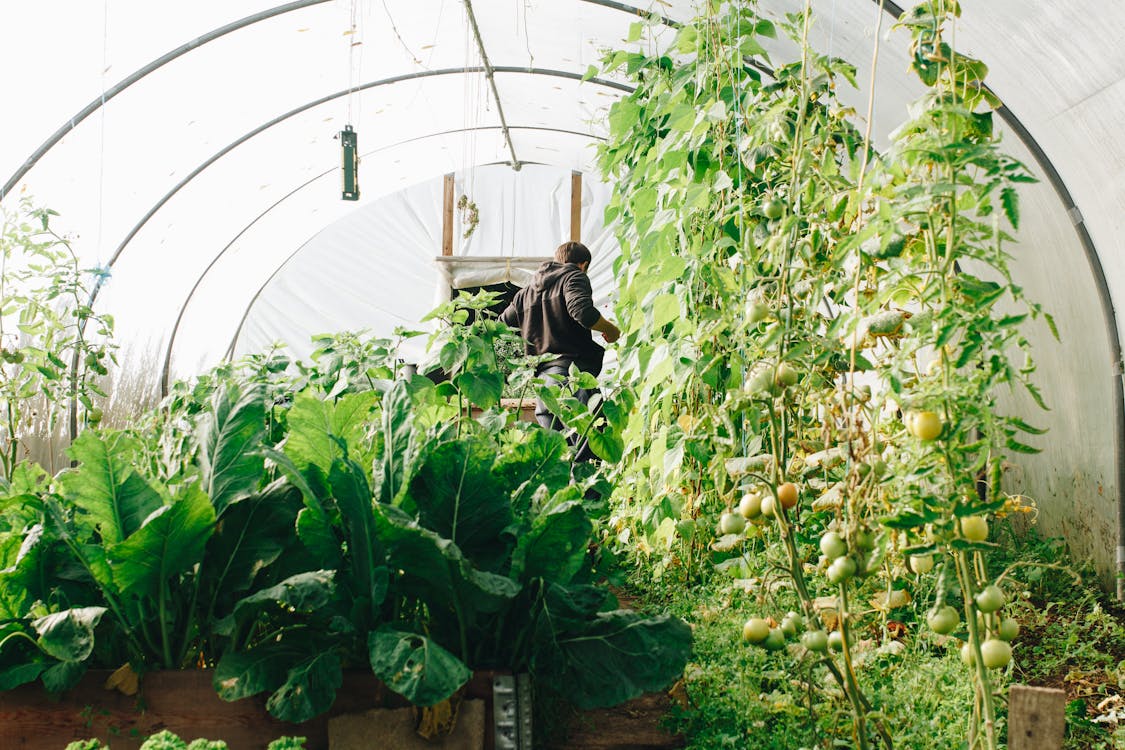
The soft fruit cage — strawberries, raspberries, redcurrants, gooseberries — comes into production this summer. A new glasshouse extends the growing season for tomatoes, cucumbers and peppers beyond what the New Forest microclimate allows in open ground. Raised beds for annual vegetables were replanted for the 2026 season in March and are supplying the kitchen with the first broad beans and early salad leaves of the year.
The Chef's Perspective
Chewton Glen's executive chef Luke Matthews, who has been at the hotel for over a decade, has been the driving force behind the garden expansion. His argument for the investment — made to the hotel's ownership over several years before the project was approved — was straightforward: a hotel restaurant that can source a meaningful proportion of its vegetable, herb and fruit requirements from its own estate is insulated from supply chain disruption, speaks more honestly about provenance, and gives the kitchen team a creative resource that no amount of supplier relationships can replicate.
"When you can pick something at six in the morning and have it on a plate by noon, you're cooking a different ingredient to what arrives in a box from a distribution centre three days after harvesting," Matthews says. "That's not marketing language. It's actually true, and you can taste it."
The kitchen garden is managed by a dedicated head gardener, appointed two years ago at the start of the expansion project, and two assistants. The team works to a planting plan developed collaboratively with the kitchen, which specifies varieties, quantities and harvest timing to align with menu cycles. The integration between kitchen and garden operates on a weekly planning cycle during the growing season and a longer forward-planning basis through autumn and winter when preservation — pickling, drying, fermenting — extends the garden's contribution into the colder months.
Sustainability Framing
The expansion is framed by the hotel's wider sustainability commitments, which include targets for food waste reduction, carbon measurement across the estate's operations and a procurement policy that prioritises British sourcing. The kitchen garden fits within this framework as the most direct expression of locally grown produce, though Matthews is careful not to overstate what 1.2 acres can contribute to a hotel of Chewton Glen's size.
"The garden supplies a meaningful percentage of our fresh herb and vegetable needs during the season," he says. "It doesn't supply everything, and it wouldn't be honest to suggest it does. But it anchors our food philosophy in something real — something you can walk around and touch — and that changes how the whole kitchen thinks about ingredients."
Chewton Glen's restaurant, The Kitchen, is open to non-residents for lunch and dinner. Kitchen garden tours are available to hotel guests on request.