Summer is the most commercially significant season for a large portion of the UK restaurant and pub sector, and the summer of 2026 arrives with an unusually clear set of flavour signals. Two things are converging: a generational shift in consumer appetite toward heat, acidity and what food trend forecasters are calling the 'fricy' profile — fruity-plus-spicy combinations that have been building momentum in street food and casual dining for several years — and the cultural amplification of a FIFA World Cup that, for the first time, is co-hosted in Mexico.
The combination is producing something more coherent and more interesting than the usual seasonal menu refresh. Operators who understand what is driving it will be better positioned to capitalise on it.
The Fricy Trend
'Fricy' — a portmanteau of fruity and spicy that has gained traction in trend forecasting — describes a flavour approach that is already established in Mexican, South-East Asian and West African cooking but is now showing up across a much wider range of casual dining and street food contexts in the UK.
The principle is straightforward: high-sweetness or high-acid fruit flavours paired with chilli heat in proportions that make both more vivid rather than cancelling one another out. Grilled pineapple with chilli salt, mango with tajín, watermelon with Aleppo pepper, yuzu with togarashi — the applications are wide, the technique is accessible, and the consumer response, particularly in the 18–35 demographic that drives casual dining volume, is strongly positive.
What has changed in 2026 is the availability of the specialist condiments and ingredients that lift these combinations beyond the domestic. Chamoy — a sticky-sour Mexican condiment made from pickled fruit, chilli and lime salt — has moved from specialist importers into mainstream wholesale supply, and operators who have introduced it to menus report strong repeat engagement from customers who had not encountered it before. Yuzu kosho, the zingy Japanese fermented paste that has been in high-end kitchens for years, is now available through national foodservice distributors in portions accessible for smaller operations.
For operators looking to refresh summer menus without a full overhaul, these condiments offer an accessible entry point: new flavour experience, high consumer novelty, minimal kitchen complexity.
The World Cup Effect
The 2026 FIFA World Cup, staged across 16 cities in Mexico, the United States and Canada, begins in June and runs through July — peak trading season for a large proportion of the UK hospitality sector. The previous major World Cups hosted in the Americas — 1994, 2002, 2014 — each produced a measurable lift in consumer interest in the host countries' cuisines in the months following. The 2026 edition has the additional amplifier of Mexico's co-host status bringing the cuisine into the cultural foreground in a way that South Korea and Japan's 2002 co-hosting did for East Asian food.
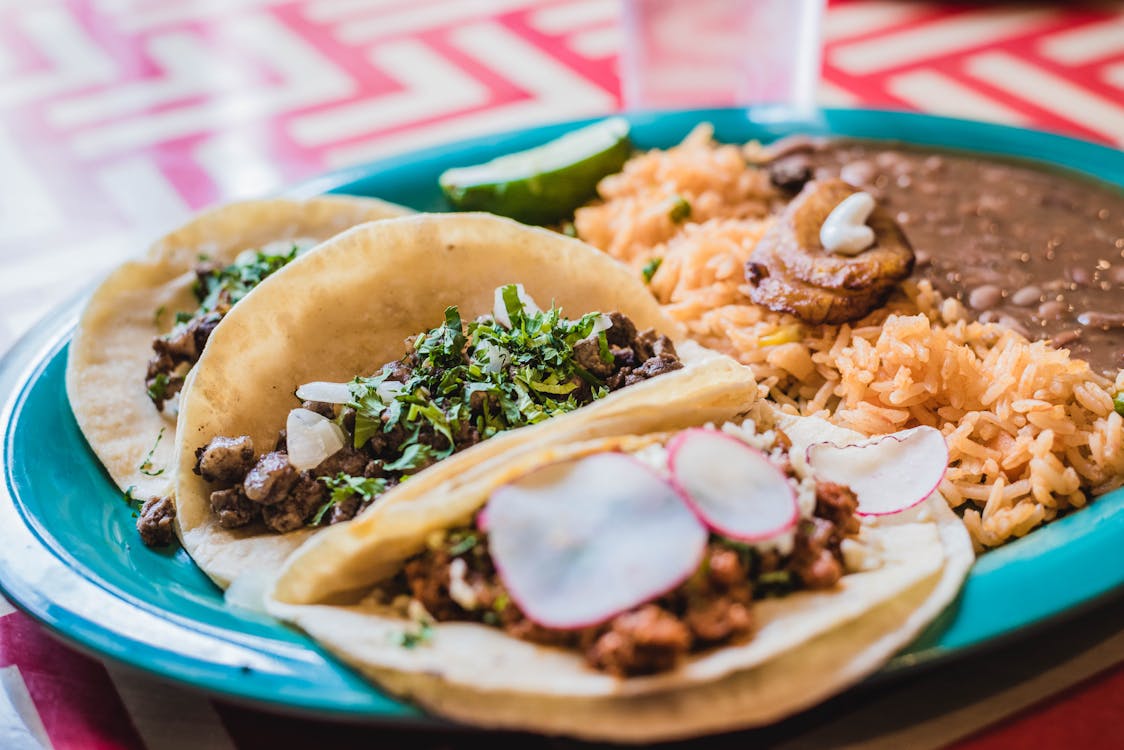
The effect is already visible in menu development. Birria — beef or lamb slow-braised in a dried chilli and spice broth, served as tacos with consommé for dipping — has been appearing on menus across casual dining and street food formats since late 2025. By spring 2026 it has become a recognisable menu item rather than a novelty, and the trajectory through the summer looks strong. Al pastor — pork marinated in achiote and dried chillies, traditionally cooked on a vertical spit — and carnitas are also gaining ground in the same format.
The pattern with World Cup food trends is that the first operators to make the association seriously, rather than superficially, tend to benefit most. A birria taco put on the menu in May, refined and promoted through the tournament in June and July, will outperform a rushed addition in week three of the competition.
Specialty Condiments and No-Lo Drinks
Beyond food, bars are working with the same seasonal ingredients. Watermelon with tequila, mango with rum, and the growing interest in jamun and kokum mixed into gin-based serves are all building on the same fricy consumer profile. Premium sparkling teas — non-alcoholic and lightly caffeinated — are performing strongly as an alternative to both alcoholic and soft drink categories, particularly in the garden and outdoor dining settings that define July trading for much of the UK market.
Operators planning summer menus who have not yet factored in the World Cup food window have approximately three weeks before the tournament begins. The flavour direction is clear, the ingredients are available, and the consumer appetite is already moving in this direction. The question is how quickly and how seriously to engage with it.
What This Means for Operators
The fricy and World Cup trends are not a brief seasonal wave. The consumer interest in heat-forward, acid-bright flavour profiles has been building for several years and shows no signs of reversing. The World Cup provides a specific commercial hook for this summer, but the underlying trend will outlast it.
Operators who use this summer as an opportunity to build kitchen team confidence with Mexican and South-East Asian flavour profiles, establish supplier relationships for specialist condiments, and gauge their customer base's appetite for this kind of cooking will be in a materially stronger position heading into the 2027 menu cycle than those who treat it as a novelty moment.
The commercial opportunity in summer 2026 is real. The operators who take it seriously will feel the difference in their covers and their average spend per head.