
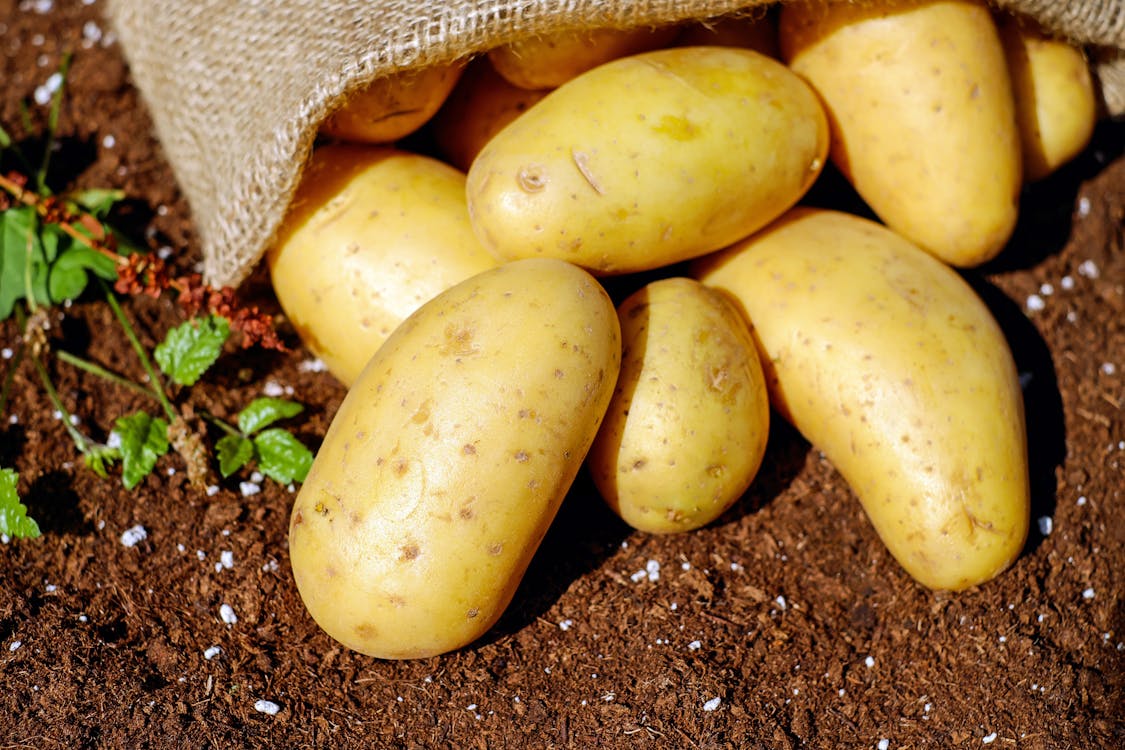
There are few ingredients in the British seasonal calendar that provoke the response that Jersey Royals do in a serious kitchen. Asparagus comes close. The first morels of spring have their advocates. But the Jersey Royal — a potato, technically, though the description feels inadequate — occupies a category of its own: an ingredient so specifically seasonal, so distinctly itself when genuinely fresh, and so different from what it becomes after a fortnight off the island that chefs who have worked with it for years still find themselves slightly surprised by it every April.
The first crop of 2026 arrived on the mainland this week. The season runs from now through late June, peaking in late April and May when the ratio of harvested-to-shipped time is shortest and the characteristic flavour — earthy, nutty, faintly sweet, with the specific mineral quality that comes from the seaweed-fertilised slopes of Jersey's côtils — is at its most pronounced.
What Makes Them Specific
The Jersey Royal potato — protected designation of origin since 1996 — is a variety called International Kidney, grown exclusively on the island of Jersey in the steep, south-facing slopes called côtils that are too precipitous for mechanised farming. The côtils are fertilised with vraic, a local seaweed harvested from Jersey's beaches, and the combination of the slope's drainage, the south-facing sun exposure and the vraic's mineral contribution is what produces the flavour that distinguishes the genuine article from the mainland new potatoes that can legally be sold as "new potatoes" or "baby potatoes" but are emphatically not the same thing.
The PDO protection means that only potatoes grown on Jersey can be called Jersey Royals. It does not guarantee freshness, and freshness is the critical variable. A Jersey Royal that has been harvested, shipped, warehoused and held for a week is a good potato. A Jersey Royal that arrived on the mainland this morning from last night's harvest is a revelation.
"When they're genuinely fresh — within twenty-four hours of digging — the skin is so thin it comes off if you breathe on it," says one London chef who sources directly from a Jersey grower each season. "The texture when you cook them is waxy but yielding. The flavour is completely its own thing. There's nothing else that tastes like a Jersey Royal in the first two weeks of the season."
What Chefs Are Doing With Them
The dominant approach in serious kitchens is the most obvious one: cook them as simply as possible. Boiled in well-salted water until just tender, finished with good butter, perhaps some herbs — mint is traditional, though chefs increasingly reach for chives, dill or wild garlic — and nothing more. The approach is not a failure of imagination but a recognition that the ingredient is at its best when most directly expressed.
The River Café puts Jersey Royals on the menu every year as a dish in their own right, dressed with olive oil and served alongside cured meats. The Sportsman uses them in the weeks when their flavour is at its peak without adornment beyond the restaurant's own butter and salt. Ynyshir's Gareth Ward has in previous seasons featured them in a single course designed entirely around their flavour profile at a specific point in the season.
More elaborate preparations appear later in the season when the peak intensity has passed slightly and the potato can sustain a supporting role: Jersey Royals with brown shrimp and butter, with smoked eel, alongside spring lamb, in a warm salad with heritage radishes and a grain mustard dressing. The cooking community's consensus — unspoken but consistent — is that the first fortnight of the season belongs to the potato itself. After that, it can start sharing the plate.
How to Source Them
Retail availability of genuine fresh Jersey Royals is patchy at best during the earliest weeks of the season, when total island production is limited and the premium crop goes primarily to restaurants and specialist greengrocers. Borough Market, New Covent Garden and the better independent greengrocers in UK cities typically receive the first deliveries before supermarkets, and the quality gap is significant.
For restaurants, direct relationships with Jersey growers or with specialist importers who work with specific farms produce significantly better quality than standard food service supply, where the Jersey Royal is often treated as a commodity product rather than a perishable premium ingredient with a meaningful freshness window.
The season's peak — roughly the last week of April and the first three weeks of May — is when production volume is highest and the best quality most accessible. By June, later plantings on flatter ground are coming through, and the côtil character that defines the premium crop is less pronounced. The season ends when it ends, and the mainland returns to its ordinary new potatoes and waits another ten months.