
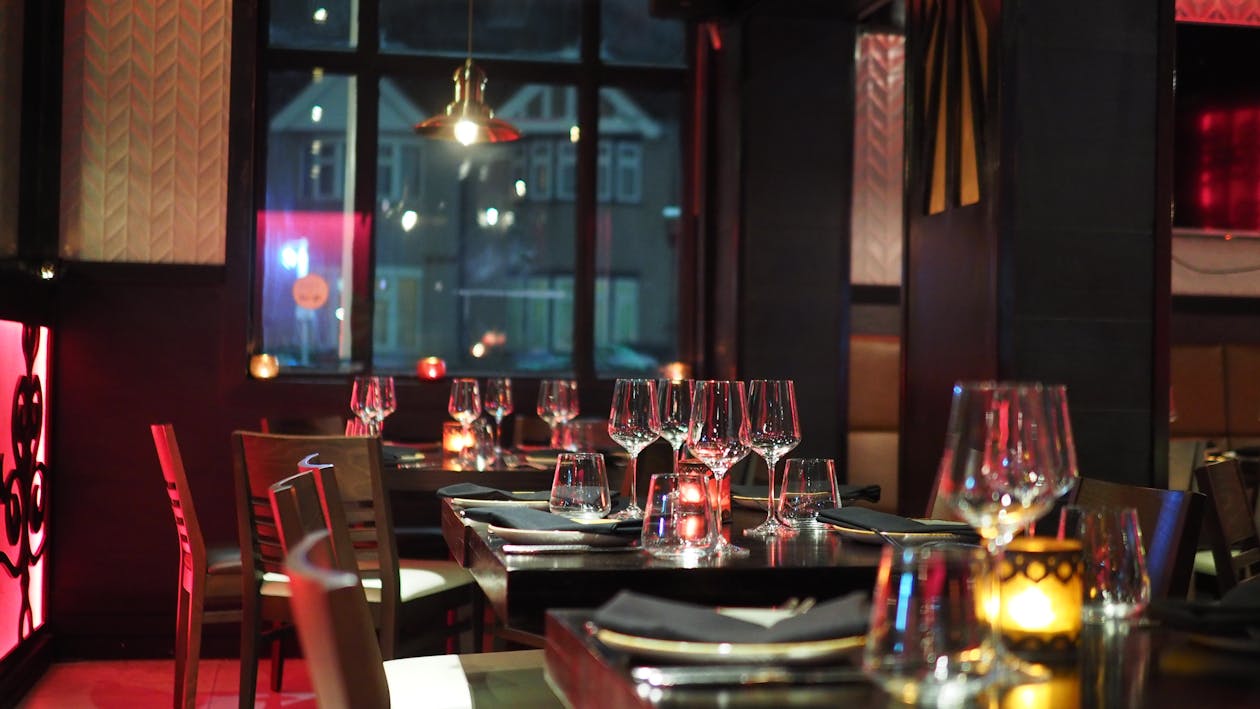
With three weeks until the late May bank holiday weekend, reservation and occupancy data is painting one of the most positive short-term trading pictures the hospitality sector has seen since the post-pandemic recovery period. OpenTable data shows restaurant bookings for the 23–26 May window running approximately 28% ahead of the equivalent period in 2025. Hotel occupancy forecasts from STR data indicate that UK-wide average occupancy for the bank holiday weekend is on course to exceed 87% — a figure that would represent the highest recorded for a May bank holiday since the organisation began tracking UK hotel data in its current form.
The drivers are familiar but have converged this year with unusual force. Sterling's continued relative weakness makes domestic leisure more attractive versus European travel for UK consumers. A settled weather forecast — at least as far as meteorologists will commit at this range — is feeding confident booking behaviour among the outdoor dining and garden pub demographic. And the sector's growing sophistication around bank holiday marketing, demand management and dynamic pricing is converting latent demand into confirmed bookings earlier than in previous years.
Where the Demand Is Concentrated
Coastal and rural destinations are seeing the sharpest advance booking positions. Cornwall, Pembrokeshire, the Lake District and the Yorkshire coast are all reporting hotel occupancy above 70% already confirmed for the bank holiday weekend — a level that would typically be reached in the final week before the holiday itself.
Urban venues are performing strongly but show more variation by location and format. London restaurant bookings for the bank holiday Sunday and Monday — traditionally the two most commercially sensitive sessions of the extended weekend — are tracking at approximately 22% above last year, with outdoor and garden-adjacent venues significantly outperforming. City centre hotel occupancy in London, Manchester and Edinburgh is forecast to exceed 85% across the full weekend period.
The pub sector is the category with the most upside exposure. Garden pub bookings are tracking at their highest level in seven years for a May bank holiday, reflecting both pent-up demand and operators' more aggressive use of advance reservation systems and deposit-secured bookings that were not standard practice before 2023. The BBPA has described the forward booking position as "the most encouraging pre-bank-holiday picture since 2019."
Staffing Is the Constraint — Again
As with the broader summer outlook, the primary operational risk for operators heading into the bank holiday is staffing. The sector's current vacancy level of approximately 97,000 roles means that many operations are heading into one of the year's busiest weekends short-handed. For operators who have not yet finalised their bank holiday rotas, the window for recruiting temporary staff is narrowing.
Agency labour costs for bank holiday weekend cover are elevated — a pattern that has been consistent for the last three years and shows no sign of moderating. Operators who have not yet confirmed their staffing arrangements should expect to pay a premium for last-minute agency cover and should model accordingly.
The operators likely to perform best over the bank holiday are those who confirmed their core team's availability early, built rotas around realistic cover counts rather than optimistic ones, and have pre-prepared as much as practical kitchen preparation as possible to reduce the pressure of service itself. A bank holiday weekend that exceeds capacity expectations is a better problem to have than one that falls short of them, but it is still a problem if the team cannot deliver consistently under pressure.
Revenue Management and Dynamic Pricing
Bank holiday weekend pricing has become substantially more sophisticated across the sector over the past three years. Hotels and accommodation businesses using dynamic pricing tools are broadly already applying bank holiday uplifts — rate premiums for the 23–26 May window are averaging between 18% and 32% above standard weekend rates across the UK, with coastal destinations in particular showing aggressive peak pricing.
For restaurant operators without formal revenue management tools, the bank holiday is still an appropriate moment to review standard pricing — whether that means applying a set menu format that limits the à la carte margin risk, applying a modest uplift to drinks pricing, or ensuring that the booking deposit policy appropriately reflects the commercial value of the cover. Restaurants that are fully booked for the bank holiday but without deposits or credit card holds are exposed to no-shows in a way that their advance booking position does not make obvious.
Three weeks is enough time to fix most of this. Operators should use it.