
The National Food Crime Unit, the specialist law enforcement body within the Food Standards Agency responsible for investigating serious and organised food crime in the UK, has published its annual intelligence and enforcement report for the 2025 calendar year. The headline figure — an 18% increase in confirmed food fraud incidents over the previous year — is concerning but not surprising to those who have followed the unit's work. What is notable is the specificity with which the report identifies the product categories creating the highest risk for both consumers and for the food service businesses that purchase them.
For the hospitality sector, the NFCU's intelligence assessment identifies three priority fraud categories that operators should be alert to when procuring and handling premium ingredients.
Olive Oil
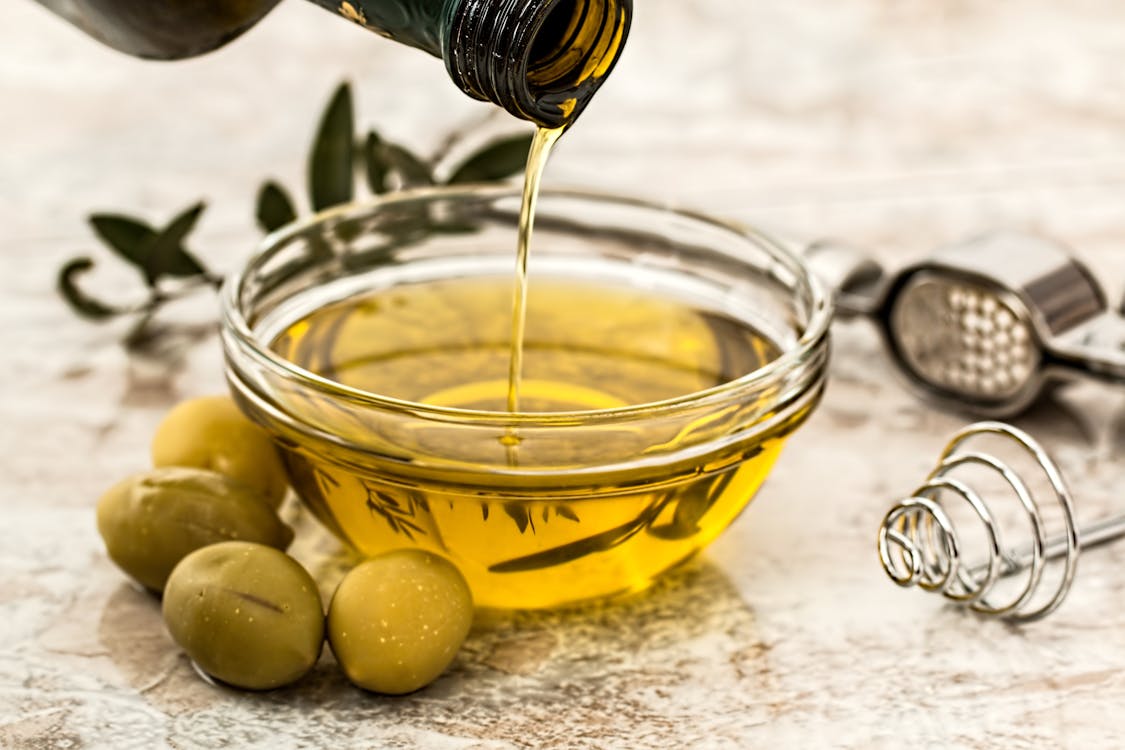
Extra virgin olive oil continues to be the most commonly adulterated premium food product in the European supply chain, and the UK is not immune to the consequences of that adulteration. The NFCU report identifies a pattern of products labelled as extra virgin olive oil — commanding a price premium of 30–80% over standard refined oil — that on laboratory testing prove to be blends of refined oil, other vegetable oils or lower-grade olive oil representing a fraction of the declared quality.
For hospitality operators, the risk is primarily commercial and reputational rather than safety-related: serving an adulterated product as premium, whether knowingly or not, undermines the integrity of the offering. For operators making provenance-based claims — "cold-pressed Sicilian olive oil," "estate-produced extra virgin" — the risk of misrepresentation is more acute and potentially exposes the business to Trading Standards action.
The NFCU recommends that operators purchasing olive oil at extra virgin price points use suppliers who can provide documentary evidence of laboratory testing for their products, and who can demonstrate supply chain transparency back to the producer. Price, as the report notes, is itself a signal: extra virgin olive oil at commodity prices is almost certainly not what it claims to be.
Honey
Honey fraud — the dilution of genuine honey with sugar syrups, corn syrup or other sweeteners, or the mislabelling of cheap honey as premium varietal honey (Manuka, acacia, heather) — has been an area of concern for the NFCU for several years. The 2025 report identifies an increase in volume of fraudulent honey entering the UK market, some of it apparently routed through third-country intermediaries to obscure its origin.
For restaurants using honey as a premium ingredient — on cheese boards, in dressings, as a named component in a dish — the sourcing question is particularly live. The premium that Manuka or single-varietal honey commands on a menu is only justified if the ingredient is genuine. Operators using branded premium honey products should ensure they are sourcing through established and auditable routes; those using unbranded honey should treat any product that is significantly cheaper than market rates with caution.
Seafood Mislabelling
Seafood mislabelling is the longest-standing and most complex of the three priority categories, and the 2025 NFCU report finds no evidence that the problem is diminishing. DNA testing of seafood samples from retail and food service supply chains continues to show high rates of species substitution: cheaper, more abundant species sold under the name of premium alternatives.
Common substitutions identified in the 2025 testing programme include: farmed pangasius sold as Dover sole or plaice; cheaper tuna species sold as bluefin or yellowfin; and various white fish species sold as cod or haddock at price points that should raise questions about provenance. The substitution is typically made earlier in the supply chain — at processing or wholesale level — and the food service operator who purchases in good faith is passing the fraud downstream to the diner.
The NFCU advises operators to use seafood suppliers who are members of the Marine Stewardship Council chain-of-custody programme or equivalent certified schemes, which require species verification at each point in the supply chain.
The full NFCU 2025 Annual Report is available at food.gov.uk/about-us/what-we-do/food-crime.