
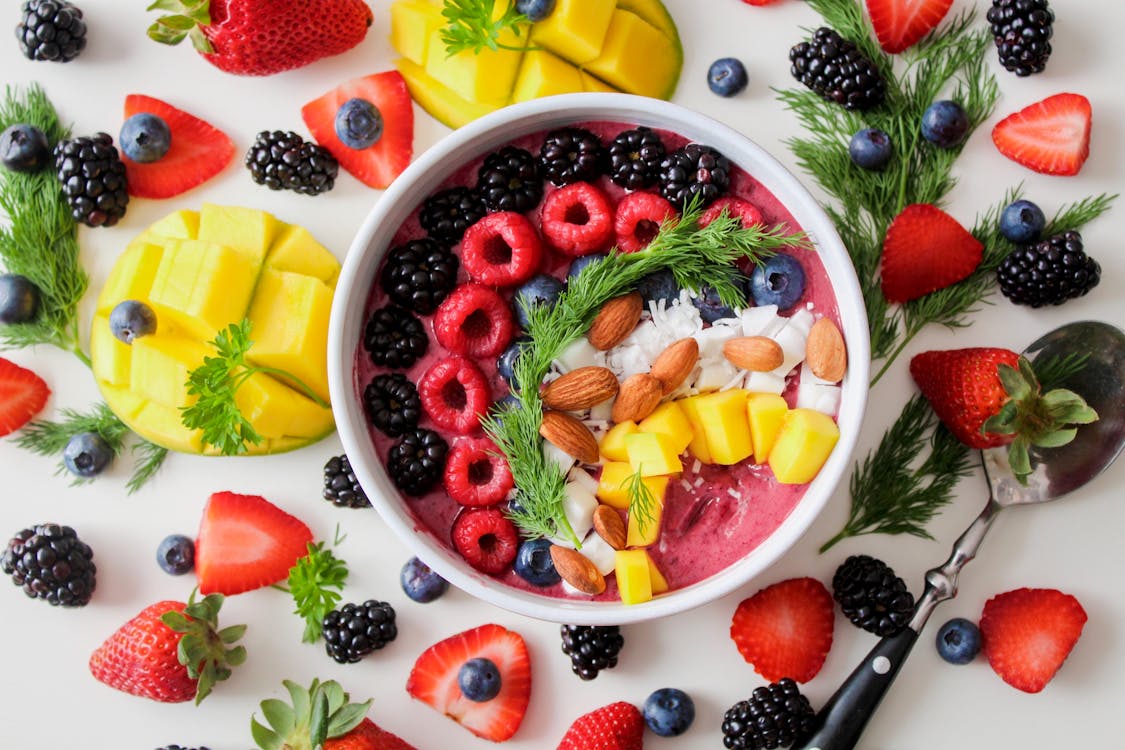
British strawberry season arrives earlier each year, and the first decent crop is coming in now from Kent, Herefordshire and the polytunnels of Worcestershire that have moved the window forward by two to three weeks compared to a decade ago. The fruit at this stage of the season — before the midsummer glut — is smaller, more acidic, and considerably more interesting to cook with than the large, sweet mid-season berries that most consumers are familiar with.
This recipe plays into that character. The labneh — strained yoghurt, thickened overnight into something halfway between cream cheese and crème fraîche — holds a mild tang that amplifies rather than neutralises the strawberry's early-season acidity. The honey softens the combination without overwhelming it. Fresh thyme, used sparingly, adds the faint herbaceous note that prevents the dish from reading as purely sweet.
It is a simple plate, and deliberately so. It works as a pre-dessert in a tasting menu context, as a brunch dish with good sourdough, or as the basis for a seasonal dessert section that can be adapted as the strawberry supply deepens through June and July.
Ingredients (serves 4)
For the whipped labneh:
- 500g full-fat Greek yoghurt
- ½ tsp fine sea salt
- 1 tbsp good-quality olive oil
- 1 tsp lemon zest
For the strawberries:
- 400g first-of-season British strawberries, hulled and halved
- 2 tbsp wildflower honey
- 1 tsp caster sugar
- Juice of ½ lemon
- 4 sprigs fresh thyme, leaves stripped
To finish:
- Additional wildflower honey, for drizzling
- Flaked sea salt
- A few whole thyme leaves
- Optional: a scattering of crushed toasted pistachios
Method
Make the labneh the night before. Line a sieve with a double layer of muslin or a clean, fine-weave cloth. Combine the yoghurt and salt, pour into the muslin, gather the edges and tie them together. Suspend the bundle over a bowl and refrigerate for 12 hours minimum, up to 24. The result should be thick, spreadable and slightly tangy — a texture somewhere between thick cream cheese and a firm crème fraîche. Before serving, beat in the olive oil and lemon zest until the mixture is light and just aerated. Do not over-whip.
Macerate the strawberries. Combine the halved strawberries with the honey, caster sugar, lemon juice and thyme leaves. Toss gently and leave to macerate at room temperature for 30 to 40 minutes. The berries will soften slightly and release their juice, which, combined with the honey and lemon, creates a loose, naturally glossy syrup. Do not refrigerate at this stage — cold blunts the flavour considerably.
Assemble. Spread a generous spoonful of whipped labneh across each plate — a broad, uneven stroke works better than a neat quenelle here. Arrange the macerated strawberries across the labneh, including the syrup. Drizzle with additional honey, add a small pinch of flaked sea salt, and scatter with fresh thyme leaves. Add crushed pistachios if using.
Kitchen Notes
On sourcing: The difference between first-of-season British strawberries and imported product at this time of year is significant enough to make sourcing worth the effort. Ask your fruit supplier for Kent or Herefordshire origin and specify variety if possible — Elsanta is the most common and reliable; Jubilee and Malling Centenary are worth seeking out if available.
On menu timing: This plate is best assembled to order and served immediately. Labneh can be made three days ahead and kept refrigerated. Macerated strawberries are best used within 90 minutes of preparation.
On the pistachios: Optional but recommended. The textural contrast and the faint green bitterness they add to the plate moves it from simple to considered without complicating the preparation.
For a tasting menu context: Halve the portion, use a smaller, more precise plate, and serve the macerated berries at exactly room temperature. The contrast with cold labneh drawn directly from the fridge can be effective — test this in advance to find the balance that works for your service temperature.
This is the kind of recipe that announces a season. Use it now, before the supply deepens and the character of the fruit softens, and adjust the honey quantity as the strawberries sweeten through June.