When a major international tournament is hosted somewhere with a rich and distinctive food culture, kitchens tend to notice. The FIFA World Cup 2026 — spread across Mexico, the United States and Canada — kicks off next month, and in the UK's restaurant industry the signal has been clear: this is the summer of Mexican food.
The shift is already visible on menus and in the wholesale market. Orders for dried Mexican chillies — anchos, chipotles, guajillos, pasillas — have increased significantly at specialist importers since the start of the year. Street food operators report that birria tacos, once a relative novelty outside of London's more adventurous food markets, are now among the most frequently requested items at pop-ups and festivals. And operators who read the room early are already building World Cup watch packages around food and drinks offers that would not have looked out of place in Guadalajara.
Beyond the Obvious
The risk, as with any food trend driven by an external event, is that the response becomes predictable — nachos, quesadillas and corona limes dressed up as cultural immersion. The operators generating the most interest are those going deeper.
Regional Mexican cuisine is significantly more diverse than the Tex-Mex shorthand that has historically defined it in the UK. Oaxacan cooking — centred on mole sauces, tlayudas, and the smoky complexity of mezcal-infused dishes — is particularly well-suited to the kind of sharing-plate format that currently dominates London's casual dining scene. Yucatán cuisine, with its use of achiote paste and slow-cooked pibil preparations, offers operators a genuine point of difference from the al pastor and carnitas that will inevitably crowd the market over the coming weeks.
Several London restaurants with serious culinary credentials have already signalled limited-run specials: slow-cooked lamb barbacoa with pickled red onion and habanero salsa; charred corn tostadas with bone marrow and micro herbs; agua fresca cocktails reworked for a British palate. The thread connecting them is a focus on technique and provenance — Mexican cooking treated with the same rigour the same chefs would apply to French or Japanese cuisine.
The Pub and Casual Dining Opportunity
For the pub and casual dining sector, the tournament represents a straightforward commercial opportunity that some operators appear to be approaching with more imagination than usual. The standard match day food and drinks package has been joined, in a number of cases, by menu edits built specifically around the games being played in Mexico: early kick-off specials, taco bar pop-ups activated for tournament matches, and cocktail menus featuring tequila and mezcal serves designed to match the timing and geography of the competition.
The commercial logic is solid. The England squad's group stage schedule means supporters will be gathering in pubs and restaurants throughout June on evenings and weekends with significant spending potential. The operators who combine that footfall with a food offer that feels considered rather than opportunistic are the ones likely to convert the tournament into a longer-term loyalty benefit rather than a one-month spike.
What to Put on the Menu
For kitchens looking to capitalise on the moment without overcommitting to a full menu pivot, a small number of well-executed dishes will outperform a sprawling new section that the kitchen cannot consistently deliver at pace.
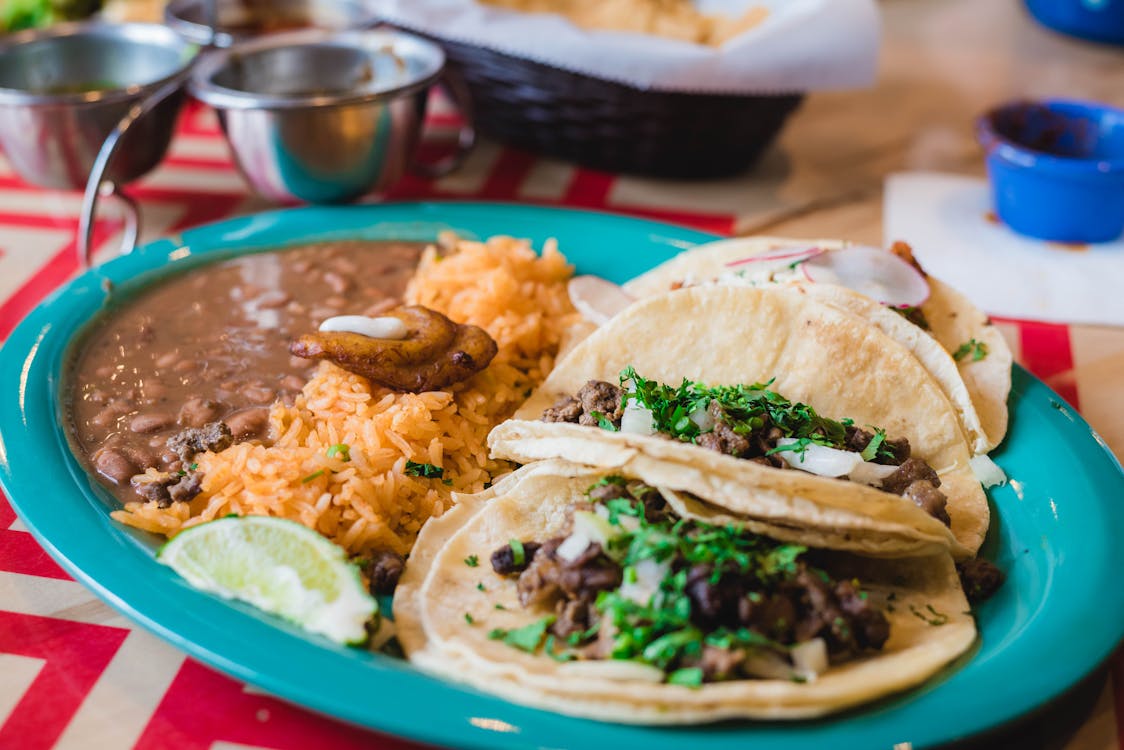
Birria beef tacos — braised short rib or brisket in a chilli and tomato consommé, served with the dipping broth — remain the most talked-about Mexican dish of the past three years and show no signs of fatigue. Al pastor, the spit-roasted marinated pork dish with its origins in Lebanese shawarma technique, translates well to a kitchen with grill capacity. Elote — grilled corn with chilli, lime, crema and cotija — is a side dish that carries a premium presentation while remaining affordable to produce.
None of these require a specialist kitchen. They require the same things any well-executed dish requires: the right ingredients, the right technique, and a team that has practised them before they appear on the menu.
The World Cup lasts until 19 July. For UK restaurants, the season is just starting.