
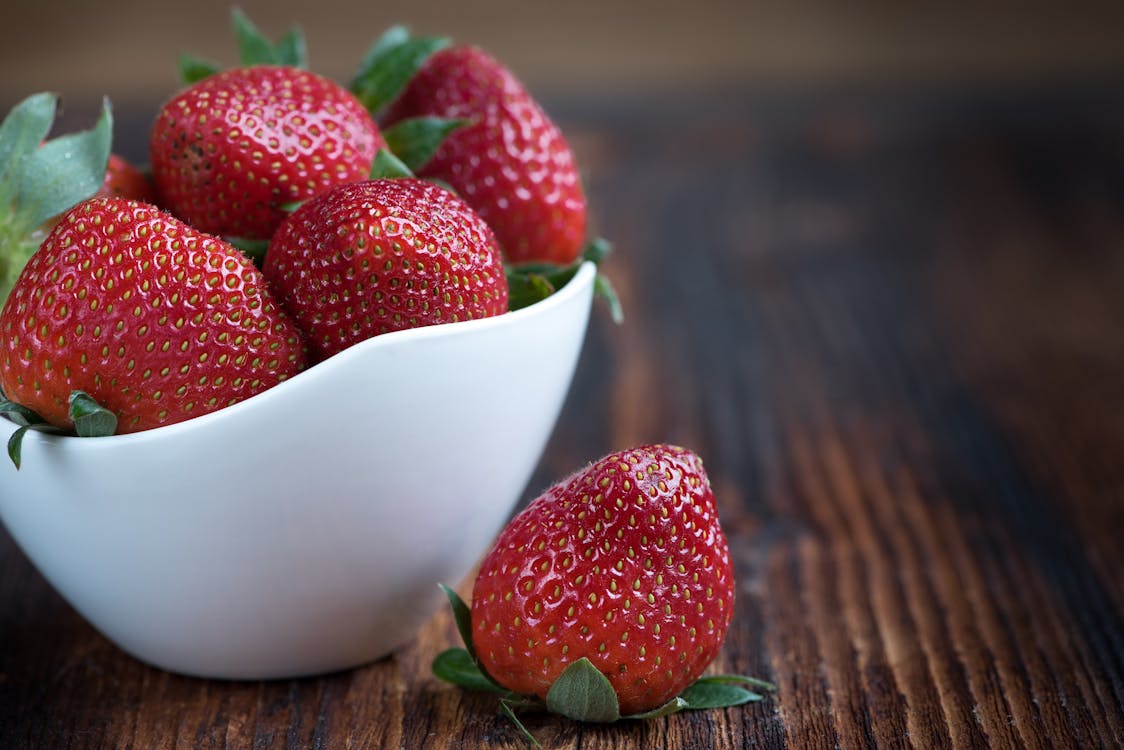
British strawberry growers are reporting first commercial picks arriving up to ten days ahead of the typical seasonal window, following an April that has delivered a combination of warm temperatures and sufficient rainfall that growers describe as near-ideal conditions for early fruit development.
Producers in Kent, Hampshire and Herefordshire confirmed this week that outdoor-grown British strawberries are beginning to move into wholesale channels, with volumes expected to scale significantly across the first three weeks of May. The British Strawberry Association said that if conditions remain settled, the 2026 season could deliver one of the strongest opening fortnights on record in terms of both volume and eating quality.
For restaurants and pastry kitchens, the early start is a prompt to accelerate summer menu changes that would ordinarily be held until late May or early June.
Kitchen responses
At Lyle's in Shoreditch, head chef Isaac McHale's team confirmed that strawberries from a named Kentish grower are already being trialled in the kitchen. "We never rush seasonal produce onto the menu until the quality is genuinely there," a spokesperson said. "But if what we're seeing this week holds, we'll be introducing a strawberry course earlier than we've planned for in any recent year."
The seasonal shift presents both an opportunity and a planning challenge. Pastry chefs who have designed spring menus around rhubarb, forced early rhubarb, and the tail of blood orange season must pivot more quickly than usual, and some will find themselves running strawberry and rhubarb simultaneously — a combination that works well on the plate but demands careful management of two short-window ingredients at once.
Several London buyers contacted by The Mise noted that wholesale pricing for early British strawberries is typically higher than the mid-season peak, given the smaller initial volumes. Operators will need to decide whether to introduce the fruit now at premium cost and price accordingly, or hold until volumes increase and pricing normalises in mid-May.
Varieties to watch
The dominant outdoor variety for early UK production remains Elsanta and its derivatives, but several growers have expanded plantings of newer varieties in recent seasons. Malling Centenary, developed by NIAB EMR in Kent, has been gaining traction for its deeper flavour and better shelf life, and is now available through a growing number of specialist farm direct suppliers. Chefs who have worked with the variety note its suitability for both raw and lightly cooked preparations.
Jubilee, a variety developed to mark the late Queen's Platinum Jubilee and released commercially in 2024, is this season appearing on more grower order forms. It is reported to have a higher sugar-acid balance than Elsanta and a more complex aromatic profile — qualities that appeal to pastry chefs working with fruit in cooked applications.
Beyond the dessert course
The arrival of British strawberries traditionally signals a shift toward lighter, fruit-forward menus — but a generation of chefs has also expanded the fruit's culinary range beyond the dessert course. Fermented strawberry vinegars, strawberry gastriques alongside duck and game, and raw strawberry preparations in savoury small plates have all appeared on menus in recent seasons. The early season availability gives kitchens more time to develop these applications before the mid-season rush compresses development time.
At Brat in Shoreditch, strawberries have appeared in previous seasons alongside raw cured fish, dressed with a sharp sheep's milk curd. At Manteca, strawberry-based preparations have featured on the crudo section of the menu. Both approaches point to a broader willingness to treat British summer fruit with the same versatility applied to vegetables and herbs.
The British strawberry season typically runs from May through to late September, with peak quality and volume in June and July. This year, the extended season opening may allow restaurants to develop a longer, more considered relationship with the fruit than the compressed six-to-eight-week window of more typical seasons.