For a period of about fifteen years — broadly, from the mid-2000s through the late 2010s — the British restaurant industry pursued efficiency above almost everything else. Table turns. Revenue per available seat hour. The science of getting covers in, fed, satisfied and out in time to reset for the next sitting. The logic was sound: in a margin-compressed environment, a table that generates revenue twice in the same lunchtime is worth twice as much as one that generates revenue once. The long lunch — two hours, three hours, the afternoon dissolving pleasantly into early evening — was expensive, slow and hard to build a profitable P&L around.
Something has shifted. The operators who are performing most strongly in the current market, and who attract the most consistent praise from the most food-engaged audience, are not those who have optimised hardest for efficiency. They are the ones who have created conditions in which a lunch can extend without pressure, where the rhythm is set by the guest rather than the kitchen, and where the total spend per cover — more courses, another bottle, a digestif, dessert wine — compensates commercially for the longer time at table.
The Economics Revisited
The original case against the long lunch rested on a set of assumptions that have been partially revised by the evolution of the market. In a world of thin margins and predominantly volume-based revenue, table occupancy time is a cost. In a world where the premium end of the market pays a meaningfully higher average spend, and where the guest who stays for three hours spends two or three times as much as the guest who leaves in ninety minutes, the calculus changes.
Several London and regional restaurants that have moved explicitly to a long-lunch model on Sundays — no second sitting, a single service that starts at 12:30 and ends when guests are ready — report total Sunday revenue broadly comparable to or above what they achieved with a 12:30 and 15:00 double sitting model, despite the lower cover count. The key variable is spend per head: a guest who knows the afternoon is theirs, who orders wine without checking whether the second bottle will make them late for the next sitting, and who has time to consider cheese or a pudding wine, spends more.
The restaurant takes on additional labour costs — a full team for a longer service period — and reduces its maximum cover count, so the model requires genuine confidence in the per-head spend to justify the trade. But for restaurants with the right guest profile, the right price point and the right setting for a leisurely afternoon, the numbers increasingly work.
Where It Is Happening
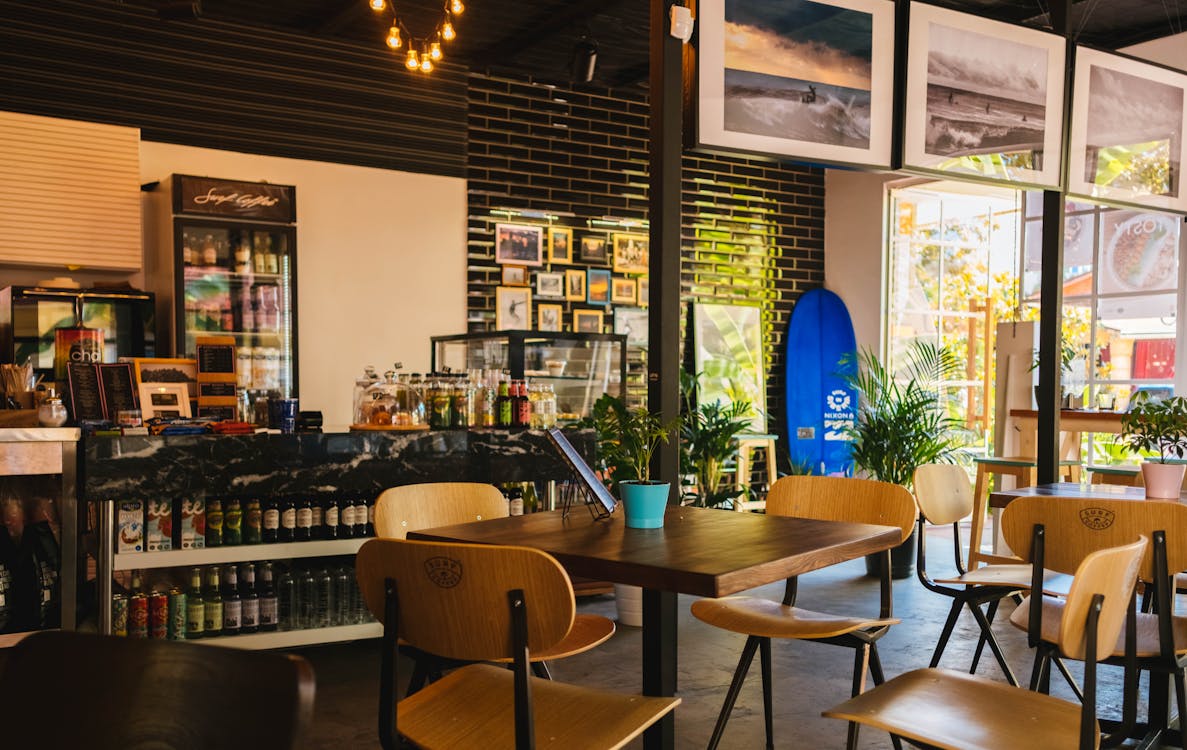
The long lunch revival is most visible at the gastropub and destination-restaurant end of the market, where the setting — a room with natural light, outdoor space, the feel of somewhere worth lingering — naturally encourages extended stays. Country pubs and restaurant-with-rooms properties in particular have rebuilt their Sunday offers around a single extended sitting that begins at noon and acknowledges no endpoint.
In London, a growing number of neighbourhood restaurants in areas including Islington, Hackney, Peckham and south London have adopted what might be called a soft long-lunch approach for Sundays: a second sitting nominally available but practically rarely filled, tables not turned until guests signal they are ready, and staff briefed that the afternoon's revenue target is achieved through per-head depth rather than cover volume.
The operators making it work most consistently share a few characteristics: menus designed for grazing rather than three-course efficiency (small plates, charcuterie, cheese, desserts that work as extras rather than a fixed course); wine lists with enough by-the-glass and carafe options to encourage ongoing ordering without the commitment of a full bottle; and a service culture genuinely oriented toward the guest's timeline rather than the kitchen's.
What It Requires
The cultural shift required of the kitchen and front-of-house team is not trivial. The efficiency model produces teams tuned to clear signals — course timing, table management, turn cues. The long-lunch model requires teams comfortable with ambiguity, capable of reading a table's pace and adjusting without creating either dead time or unintended pressure.
Training for this is different from training for high-volume service and is, in the experience of operators who have made the transition, one of the more challenging aspects of implementing a genuine long-lunch culture. The temptation to slip back into efficiency mode — to offer the dessert menu five minutes after the main plate is cleared, to produce the bill when ordering slows — is real and requires active management.
The guest relationship that a well-executed long lunch produces is, by most accounts from operators who have committed to it, materially more loyal than the transactional relationship of a 90-minute two-sitting service. Guests who have had an afternoon that felt genuinely generous — unhurried, well looked after, better than they expected — come back, and they bring people. The long lunch is slow marketing as much as it is a service format.