
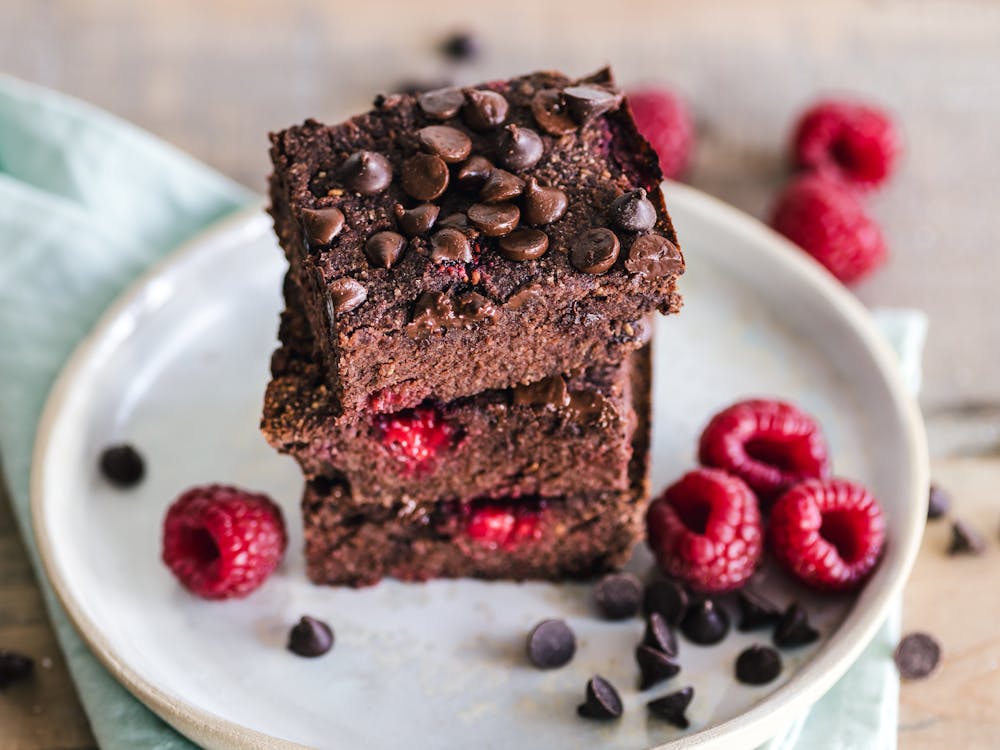
This tart is the kind of dessert that a professional kitchen can produce consistently because it relies entirely on technique and quality ingredients rather than flair or improvisation. Made correctly, it is one of the best things you can serve at the end of a dinner party — a thin, crisp pastry shell, a layer of dark salted caramel that you feel before you taste, and a ganache made with good chocolate that sets to a smooth, glossy finish. A spoonful of cold crème fraîche is the only accompaniment it needs.
The keys are: blind-baking the pastry until genuinely golden (not pale and soft), making the caramel to a true amber rather than stopping early, and using chocolate with at least 70% cocoa solids. Everything else follows from those three decisions.
Makes one 23cm tart — serves 8 to 10
Ingredients
For the sweet shortcrust pastry (pâte sucrée)
- 200g plain flour
- 100g unsalted butter, cold and cubed
- 80g icing sugar
- 25g ground almonds
- 1 egg yolk
- 2 to 3 tbsp ice-cold water
- Pinch of fine salt
For the salted caramel
- 200g caster sugar
- 80ml double cream, warmed
- 60g unsalted butter, cubed
- 1 tsp flaked sea salt (Maldon or similar)
For the dark chocolate ganache
- 300g dark chocolate (70% cocoa solids minimum), finely chopped
- 280ml double cream
- 30g unsalted butter, at room temperature
- 1 tsp flaked sea salt
To serve
- Crème fraîche
- Extra flaked salt for finishing
Method
1. Make the pastry
Combine the flour, icing sugar, ground almonds and salt in a bowl. Add the cold butter and rub in with your fingertips until the mixture resembles breadcrumbs with no large lumps remaining. Add the egg yolk and enough cold water to bring the dough together — it should be smooth but not sticky. Shape into a disc, wrap and refrigerate for at least 1 hour.
Roll the pastry on a lightly floured surface to 3mm thickness. Line a 23cm loose-bottomed tart tin, pressing into the corners. Trim the excess, leaving 5mm above the rim to allow for shrinkage. Return to the refrigerator for 30 minutes.
Preheat the oven to 180°C (fan 160°C). Line the tart case with baking parchment, fill with baking beans and blind bake for 15 minutes. Remove the beans and parchment and bake for a further 12 to 15 minutes until the base is genuinely golden and dry. Allow to cool completely before filling.
2. Make the salted caramel
Place the sugar in a heavy-based saucepan over medium heat. Do not stir — swirl the pan gently if required to distribute the heat. Cook until the sugar has melted and turned a deep amber colour (approximately 175°C if you have a thermometer). Remove from the heat immediately.
Add the warm cream in a slow, careful stream — the mixture will bubble vigorously. Stir to combine, then add the butter and stir until smooth. Add the flaked salt. If the caramel has any lumps, pass through a fine sieve.
Pour the caramel into the cooled tart case in an even layer approximately 5mm deep. Refrigerate for at least 30 minutes until set.
3. Make the ganache
Place the chopped chocolate in a heatproof bowl. Heat the double cream in a saucepan until just below a simmer — small bubbles around the edges, not boiling. Pour the cream over the chocolate and leave for 2 minutes without stirring. Stir from the centre outward in slow circles until completely smooth and glossy. Add the butter and stir until incorporated. Season with the flaked salt.
Pour the ganache over the set caramel layer. Tap the tart tin gently on the work surface to level the surface. Leave at room temperature for 2 hours, or refrigerate for 45 minutes, until set but not hard.
4. To finish and serve
Before serving, scatter a few flakes of sea salt across the surface of the tart. Serve at room temperature — not cold from the refrigerator — with a generous spoonful of crème fraîche alongside.
Notes
- The tart keeps well at room temperature, covered, for up to two days. Do not refrigerate for long periods as this dulls the ganache's finish.
- For a cleaner cut, dip a sharp knife in hot water and wipe dry between each slice.
- The pastry recipe makes slightly more than you need — the excess can be wrapped and frozen for up to a month.