
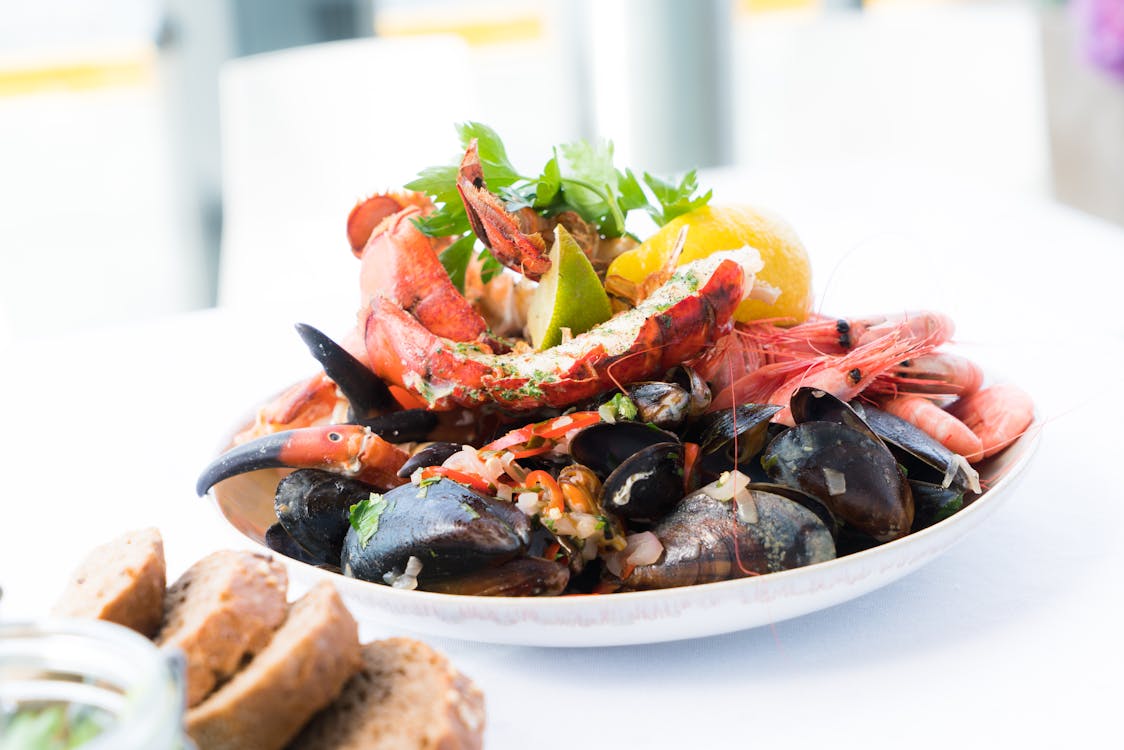
Few dishes in the British restaurant canon have the longevity of scallops with cauliflower — it has appeared on menus from Michelin-starred rooms to gastropubs for the better part of three decades. The reason is simple: it works. The sweetness of a properly seared scallop, the richness of a smooth cauliflower purée, and the nutty depth of brown butter are a combination that requires very little elaboration. What it does require is good sourcing and precise technique.
Hand-dived Scottish scallops, in season through spring, are worth seeking out. The texture and flavour of a scallop that has not been trawled — undamaged, not waterlogged, properly chilled — is noticeably different from the wet-packed product common to most supermarkets. Speak to your fishmonger.
Serves 4 as a starter
Ingredients
For the scallops
- 12 large hand-dived scallops, roe removed and patted completely dry
- 2 tbsp neutral oil (rapeseed or vegetable)
- 40g unsalted butter
- Sea salt and white pepper
For the cauliflower purée
- 1 medium cauliflower (approx 800g), trimmed and broken into florets
- 150ml whole milk
- 150ml double cream
- 50g unsalted butter, cold and cubed
- Salt and white pepper
For the brown butter (beurre noisette)
- 100g unsalted butter
For the crispy capers
- 4 tbsp capers in brine, drained and thoroughly dried
- Vegetable oil for frying
To finish
- Micro herbs or flat-leaf parsley leaves
- Lemon wedges
Method
1. Make the cauliflower purée
Place the cauliflower florets in a saucepan with the milk, cream and a generous pinch of salt. Bring to a gentle simmer over medium heat and cook for 15 to 20 minutes until the cauliflower is completely tender — a knife should meet no resistance.
Transfer the cauliflower and enough cooking liquid to just cover the florets into a high-powered blender. Blend on high for two full minutes, then add the cold butter cubes one at a time with the motor running. Season with salt and white pepper. Pass through a fine sieve if you want a perfectly smooth result. Keep warm.
2. Fry the capers
Heat 2cm of vegetable oil in a small saucepan to 180°C. Pat the capers completely dry — any moisture will cause violent spitting. Fry for 60 to 90 seconds until they open and turn golden and crisp. Remove with a slotted spoon to kitchen paper and season lightly with salt. They will crisp further as they cool.
3. Make the brown butter
Melt the 100g of butter in a light-coloured pan over medium heat. Once melted, continue cooking, swirling regularly, until the milk solids turn deep golden and the butter smells of hazelnuts — approximately 4 to 5 minutes. Remove from the heat and pour into a bowl to arrest the cooking. Season with a pinch of salt.
4. Sear the scallops
This step requires confidence and a very hot pan. A scallop seared properly develops a deep golden crust in 90 seconds on the first side. If you move it, you lose the crust.
Season the dry scallops on both sides with fine sea salt and white pepper immediately before cooking. Heat a heavy-based pan — cast iron or stainless steel — over the highest heat until smoking. Add the oil. Place the scallops in the pan without crowding, pressing each one down gently to ensure full contact.
Cook without moving for 90 seconds. Add the butter to the pan, allow to foam, and baste the tops of the scallops once. Flip each scallop and cook for a further 45 to 60 seconds. Remove to a warm plate immediately.
5. Plate
Spoon a generous mound of cauliflower purée slightly off-centre on each warm plate. Place three scallops per portion. Spoon the brown butter over and around. Scatter the crispy capers. Finish with a few herb leaves and a lemon wedge.
Notes
- The purée can be made up to two hours in advance and kept warm in a bain-marie or reheated gently with a splash of cream.
- Scallop roe, if your scallops come with it attached, can be seasoned and pan-fried briefly — it has a strong, mineral flavour that works well as an additional garnish.
- If capers feel too assertive, soaked golden raisins with a few drops of good sherry vinegar make an interesting alternative.