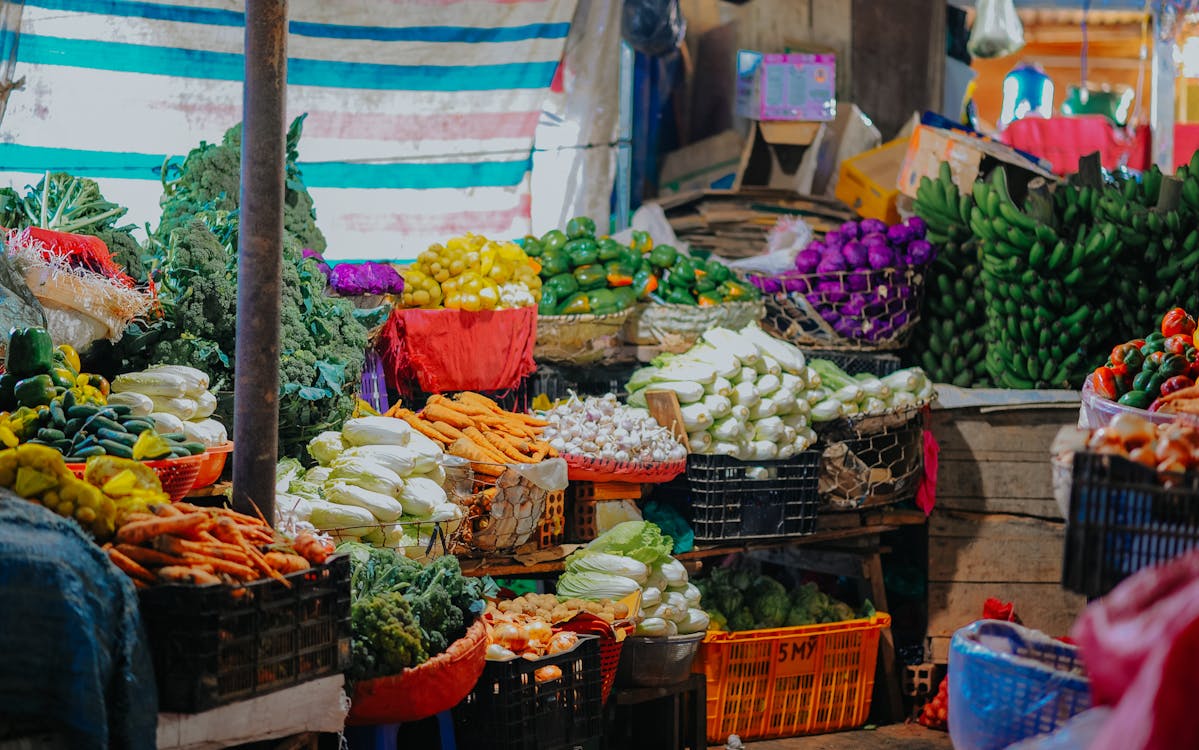
The British seasonal produce calendar is one of the clearest GP improvement tools available to kitchen operators. When a crop is in season domestically, the price drops, the quality peaks and the story on the menu writes itself. When you're importing asparagus from Peru in November because your menu hasn't changed since last spring, you're paying for logistics and losing flavour. The seasonal switch-out isn't just about ethics or marketing — it's a financial decision.
Here's what to prioritise from April through August and how to build around it.
April: The Transition Month
In season: Jersey Royal potatoes (from late April), purple sprouting broccoli, spring onions, watercress, sorrel, morel mushrooms (brief window), English rhubarb.
The dish to build: Purple sprouting broccoli with anchovy butter and toasted almonds as a starter or side. Seasonal, fast, unusual enough to be interesting on the board. The broccoli is priced well in April before supply peaks and margins hold.
What to cut: Heavy winter root vegetables. Parsnips, celeriac and swede that have been carrying the menu since November should come off by mid-April. They're out of season, more expensive than summer alternatives and guests have moved on.
Jersey Royals: The first British new potato of the year, in season from late April through July. Run them as a simple side with good butter and sea salt — don't over-complicate them. They're a seasonal flag that guests notice and trust.
May: British Asparagus Season
In season: British asparagus (1 May–24 June by tradition), peas, broad beans (early), radishes, rocket, spring herbs, Jersey Royals continue.
The anchor dish: English asparagus with poached egg and hollandaise. This is a menu staple from May through June that guests expect, delivers strong GP and requires no unusual skill in the kitchen. Full recipe on The Mise.
Asparagus at British peak (mid-May to mid-June) runs at approximately £2.50–£4.00 per kg at trade. A generous à la carte starter portion (200g) costs under £1. At £10–£12 on the menu, the GP is exceptional.
Other asparagus formats: Asparagus Caesar (warm asparagus replacing the lettuce, standard Caesar dressing, soft boiled egg, parmesan). Asparagus and smoked salmon tart. Shaved asparagus salad with parmesan and lemon. The ingredient has flexibility and runs well for 6–7 weeks before the season closes.
June 24: St John's Day marks the traditional end of British asparagus season. It comes off the menu that week.
June: Soft Fruit and Summer Trade
In season: British strawberries (from mid-June), cherries, gooseberries, elderflower (briefly in late May / early June), courgettes, new-season garlic, peas at peak.
The dessert: Strawberries and cream is the simplest seasonal dessert that generates the highest margin during peak British strawberry season. Quality strawberries, good clotted cream, a light mint garnish — sub-£1.50 food cost that sells at £6–£8 all day.
Elderflower: Available for approximately three weeks between late May and mid-June, elderflower is the flavour signal of early British summer. Elderflower cordial, panna cotta or granita on the menu in that window commands attention and comes off cleanly once the season ends. Make your own cordial in bulk when the flowers are out — it keeps refrigerated for 6–8 weeks.
Courgettes: Price drops from mid-June onward. Courgette fritti (thin slices, seasoned, deep-fried to order) is a minimal-cost, high-return bar snack or starter. Works in the same fryer as the chips without any flavour crossover concerns.
July–August: Peak Summer
In season: British tomatoes (at their best July–August), sweetcorn, runner beans, beetroot, fennel, British heritage potatoes, aubergines.
The focus: Lighter proteins and plant-led dishes sell better in the heat. A chargrilled chicken dish with a summer salad attachment outperforms a stew in July. Line-caught British fish with seasonal vegetables performs well on evening menus and draws above-average spend.
Summer outdoor food: If your venue has external space, simplify the outdoor food offering to things that travel well. Flatbreads, loaded fries, sliders, whole chicken — food that doesn't fall apart in a box or require fork-and-knife navigation outdoors. Alcohol attachment on outdoor tables is high; the food needs to facilitate drinking, not compete with it.
What to Do Now (April)
- Build a seasonal produce calendar for your key suppliers. Ask them for weekly price alerts on British seasonal lines.
- Menu-engineer two or three dishes that anchor the spring produce story — asparagus, Jersey Royals, forced rhubarb — and price them to reflect the seasonal value.
- Identify two to three dishes that should come off the menu by end of April. Anything that was winter-led and is now out of season.
- Speak to your dessert supplier about elderflower delivery for late May. It goes quickly.